

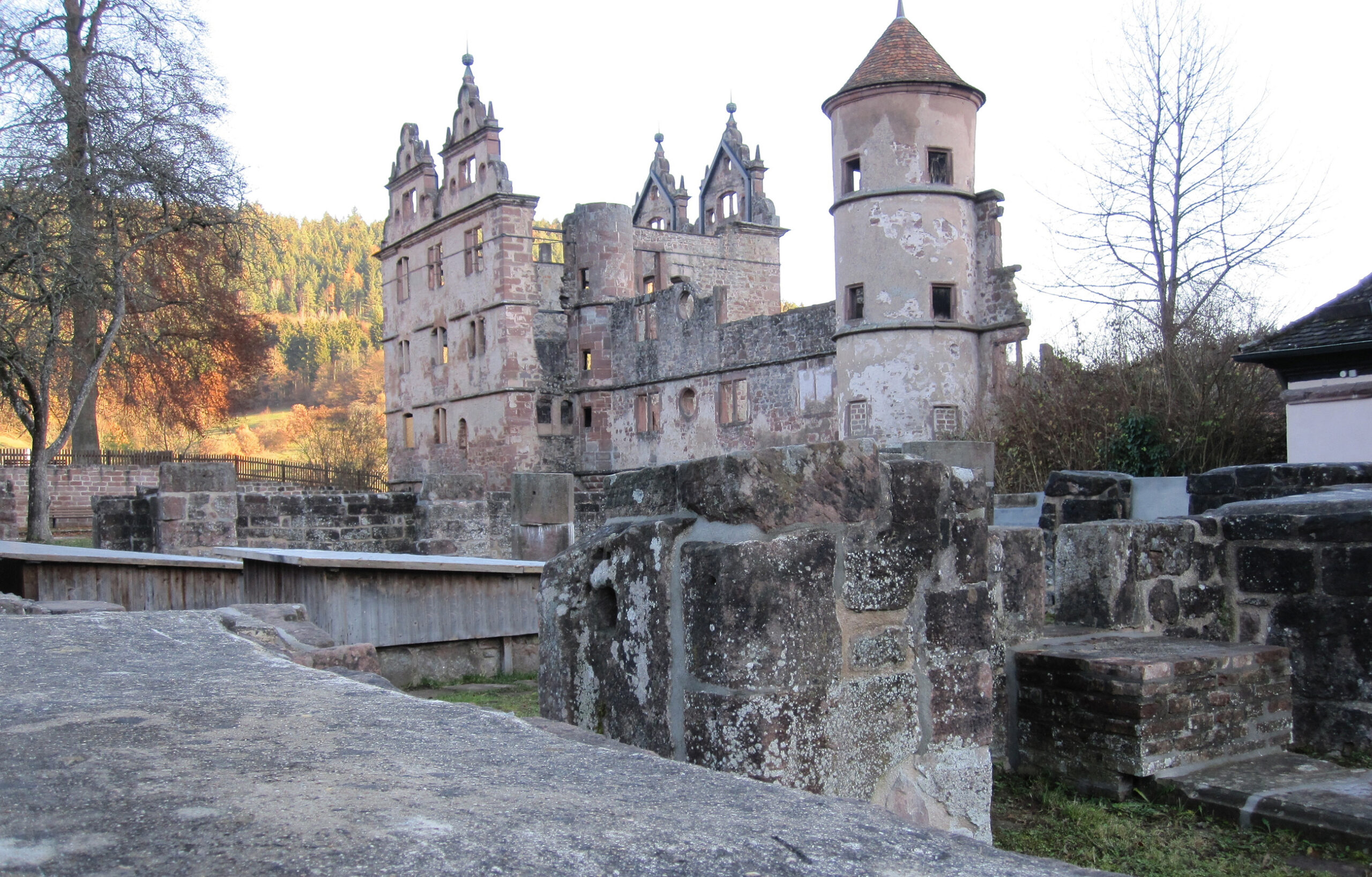
Bis vor 200 Jahren hieß das Gesamtdorf „Müllenbach“, denn das ist der älteste Ortsteil von Eisental, erstmals erwähnt 1070 im Codex Hirsaugiensis. Die Benediktinerabtei Hirsau im Nagoldtal war eines der bedeutendsten Klöster im Mittelalter.
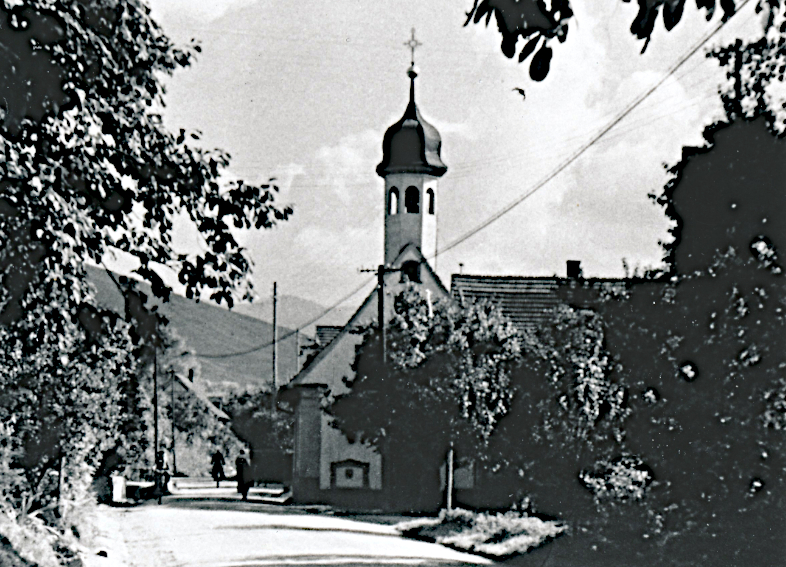
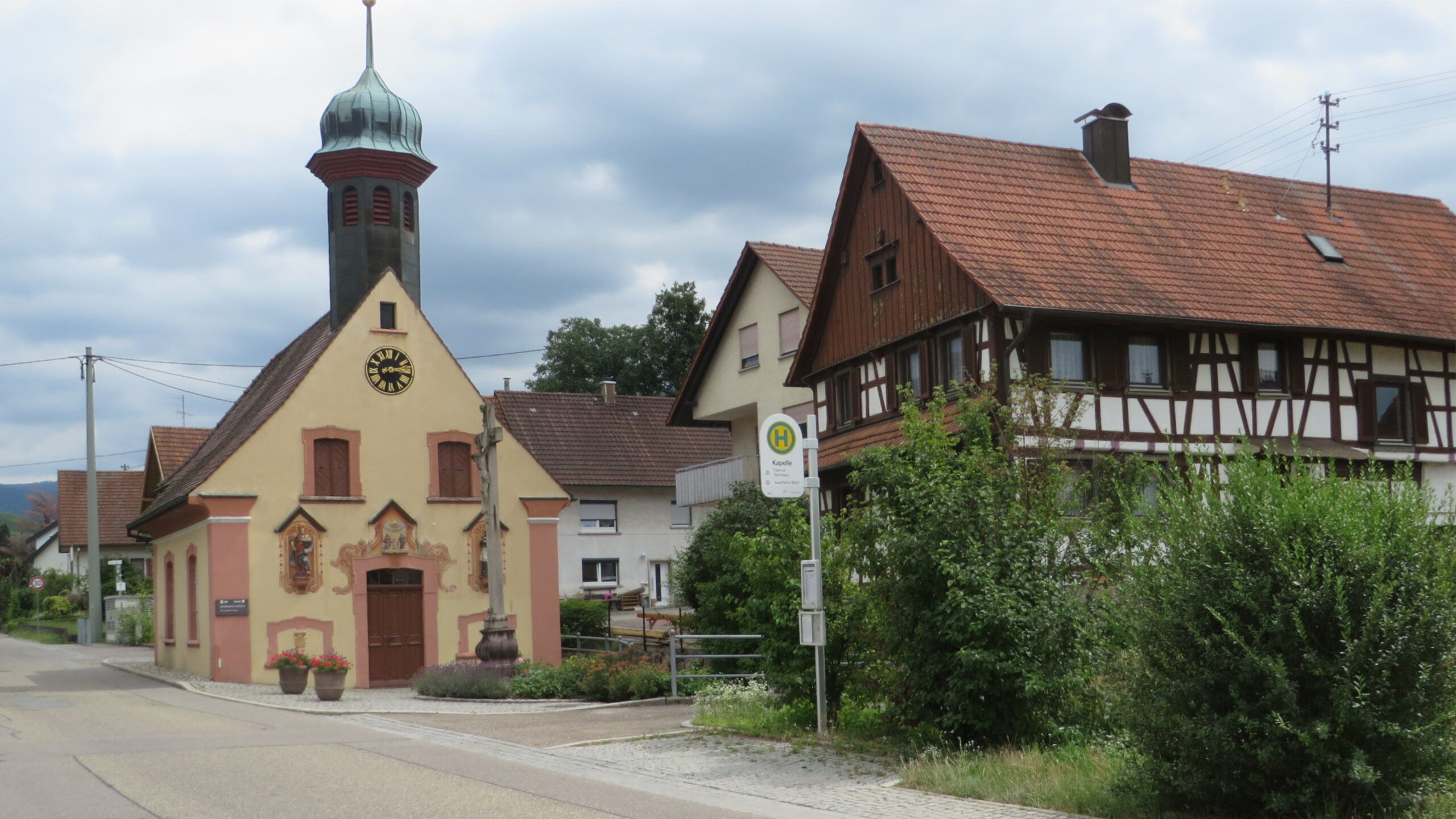
Bis in die 1820er-Jahre hatte Müllenbach die Vorherrschaft in den drei Dörfle. Der Vogt war gleichzeitig Richter und vom Großherzog bestellt. Höchstwahrscheinlich befand sich die alte Vogtei in diesem Fachwerkhaus neben der der Sankt Wendelinus Kapelle, in dem auch Schulunterricht stattfand.
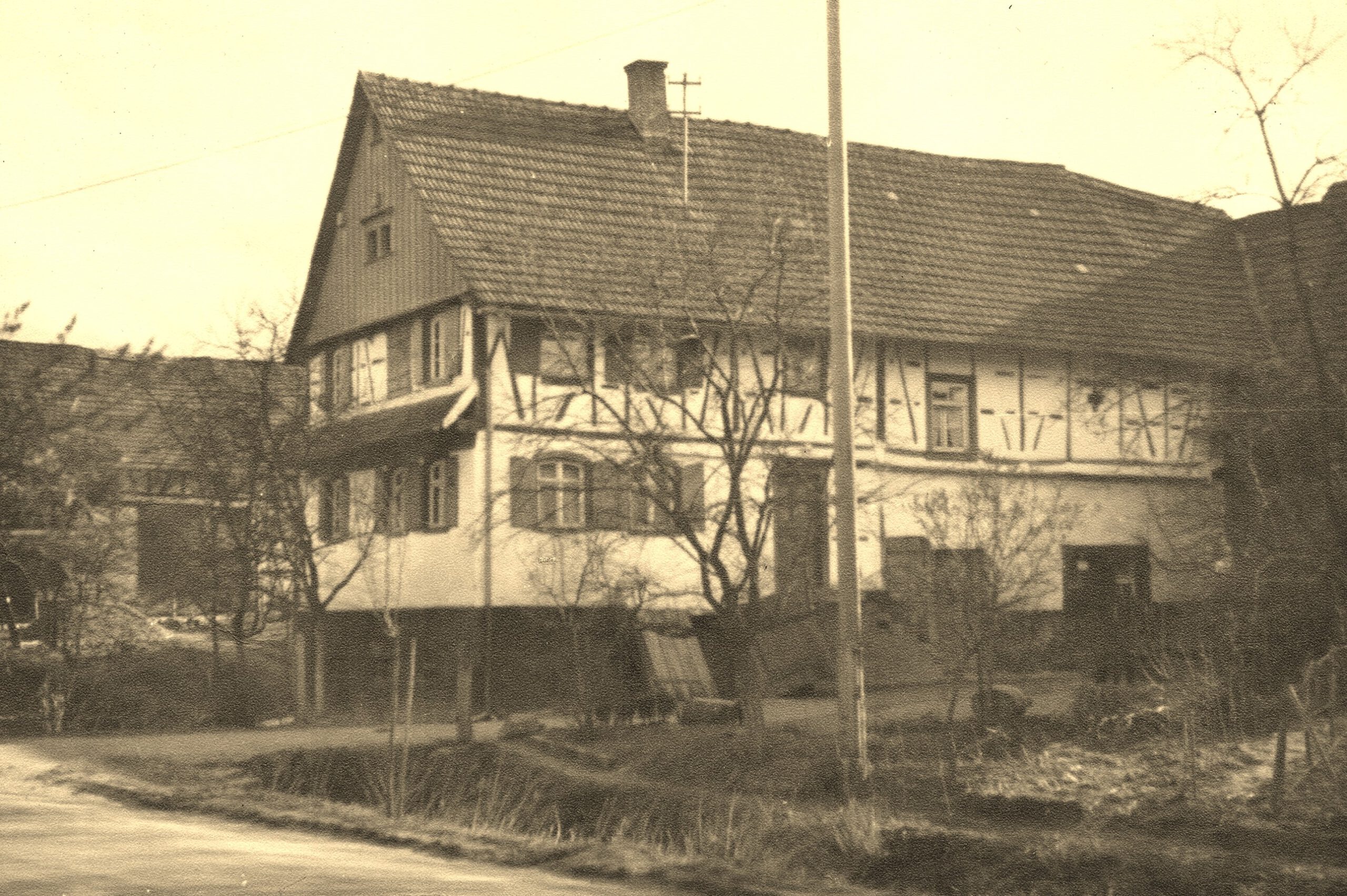
Quelle: Karl Anton Doll
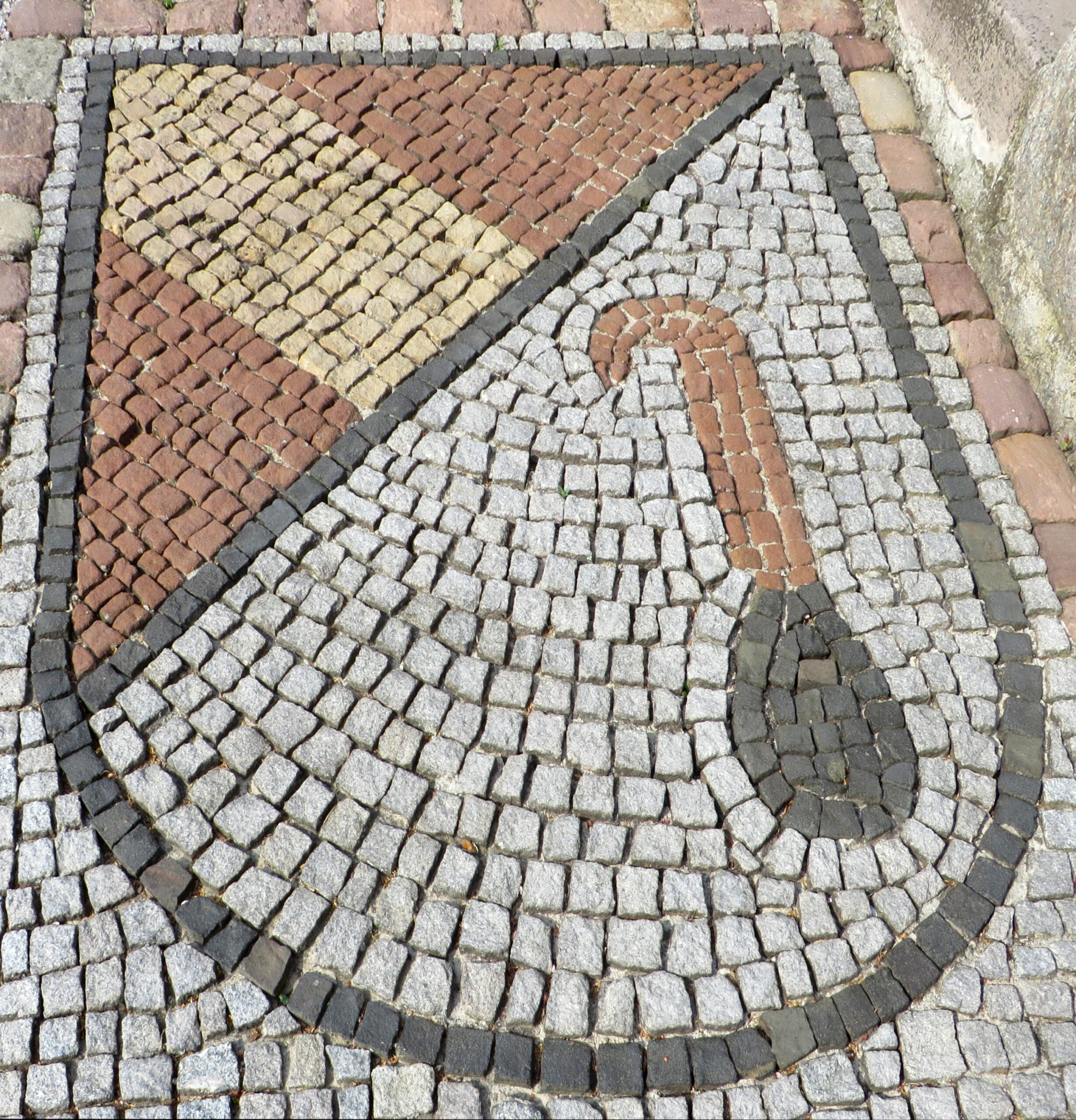
Es gibt ein altes Wappensiegel des Gerichts Müllenbach, mit dem im 18. Jahrhundert Urkunden und Urteile bestätigt wurden.

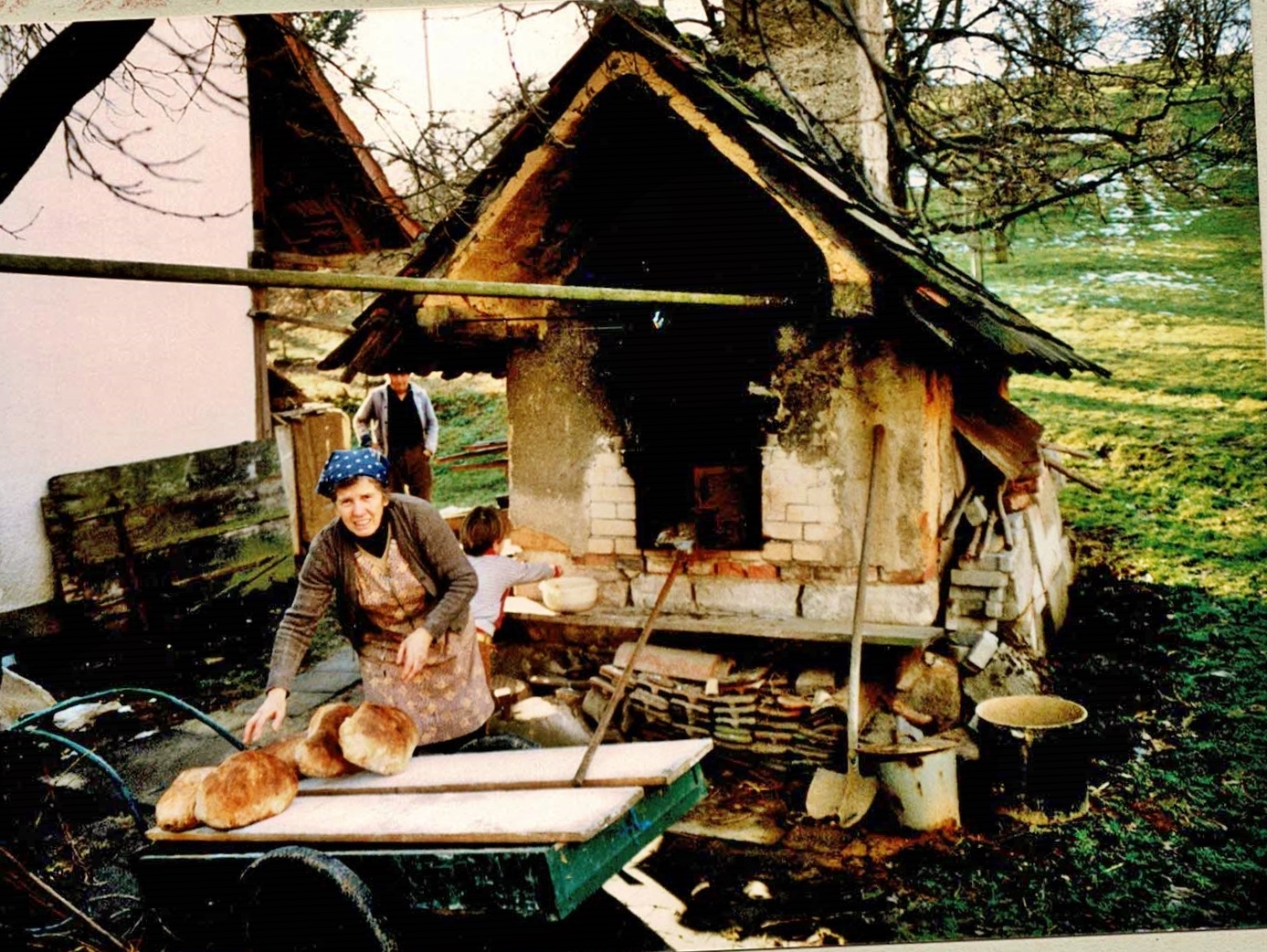
Quelle: Paula Meier
16 Vogtei

Il y a deux siècles encore, le village tout entier s’appelait « Müllenbach », car il s’agit de la partie la plus ancienne d’Eisental, mentionnée pour la première fois en 1070 dans le Codex Hirsaugiensis. L’abbaye d’Hirsau, monastère bénédictin situé dans la vallée de Nagold, était l’un des plus importants du Moyen Âge. Jusqu’aux années 1820, Müllenbach exerçait son autorité sur les trois villages environnants. Le bailli était également un juge nommé par le Grand-Duc. L’ancien bureau du bailli se trouvait probablement dans cette maison à colombages, jouxtant la chapelle Saint-Wendelinus, où se déroulaient aussi les cours. Un ancien sceau aux armoiries du tribunal de Müllenbach, utilisé au XVIIIe siècle pour authentifier les documents et les jugements, est encore visible. Jusqu’en 2018, Paula Meier y a vécu et y faisait souvent son pain dans son ancien atelier.
16 Vogtei

Until 200 years ago, the entire village was called “Müllenbach,” as it is the oldest part of Eisental, first mentioned in 1070 in the Codex Hirsaugiensis. The Benedictine Hirsau Abbey in the Nagold Valley was one of the most important monasteries in the Middle Ages. Until the 1820s, Müllenbach held sway over the three villages. The Vogt (bailiff) was also the judge and was appointed by the Grand Duke. The old Vogtei was most likely located in this half-timbered house next to the St. Wendelinus Chapel, where school lessons were also held. An old coat of arms seal of the Müllenbach court exists, which was used to confirm documents and judgments in the 18th century. Until 2018, Paula Meier lived here and often baked bread in her old bakehouse.